

Why Beautiful Homes in Nairobi Develop Mold
And What Most Homeowners Don’t See
Walk into many homes in Nairobi today and everything looks perfect.
Fresh paint. Clean walls. Modern finishes.
But behind wardrobes, under flooring, and inside walls lies a different story is quietly developing.
Mold.
And by the time you see it, the problem has already been there for months.
At JZZ Property Inspection, we’ve seen this pattern repeatedly:
Homes that look flawless on the surface but are already developing moisture problems underneath. Newly build homes and apartments but internal leakages from faulty pipes. We see homes not shielded from the unavoidable rains and also the rising damp from poor flooring.
This is not a cleaning issue.
It’s a building performance issue. This is why JZZ Property Inspection advocate for an inspection before buying, selling or even during construction to capture these defects.
The Truth Most People Don’t Know
Mold does not just “appear.”
It grows where conditions allow it to grow:
• Moisture
• Poor ventilation
• Trapped humidity
• Hidden water pathways
The problem is that many homes in Nairobi are built in a way that creates these conditions without anyone noticing during construction.
1. Moisture Is Being Trapped Inside Walls
In many buildings, walls are finished and painted before they have fully dried.
In other cases, water enters from outside due to poor waterproofing — but gets trapped inside because of sealed finishes.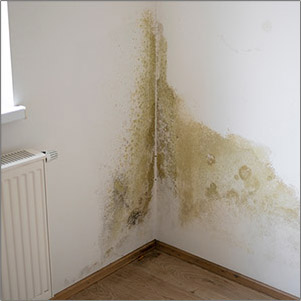
The result?
Moisture sits quietly inside the wall.
And over time, mold begins to grow from within.
2. Poor Ventilation Is Creating Hidden Humidity
Modern homes often prioritize aesthetics over airflow.
You’ll find:
• Small windows
• Closed kitchens
• Poor bathroom ventilation
• Limited cross airflow
This leads to indoor humidity building up daily — from cooking, showering, and even breathing.
Where does that moisture go?
Into your walls, wardrobes, and ceilings.
3. Wardrobes and Furniture Are Placed Against Cold Walls
This is one of the most common causes we see.
Large wardrobes placed directly against external walls block airflow completely.
That space becomes:
• Dark
• Cool
• Unventilated
Perfect conditions for mold growth.
Many homeowners only discover this when they move furniture months later.
4. Ground Floor Units Are More Vulnerable
If you live on the ground floor, your home is more exposed to:
• Rising damp from the soil
• External wall moisture
• Poor drainage around the building
Without proper moisture barriers, water slowly moves upward into walls.
This is why mold is extremely common in:
• Ground floor apartments
• Units near gardens or poorly drained areas
5. Paint Is Covering the Problem — Not Solving It
Many landlords repaint affected areas when mold appears.
But paint does not remove moisture.
It only hides the signs temporarily.
Within weeks or months, the mold returns — often worse than before.
Why This Matters More Than You Think
Mold is not just a visual issue.
It affects:
• Indoor air quality
• Health (especially for children)
• Furniture and clothing
• Long-term property value
And most importantly:
It signals that the building is not managing moisture properly.
How to Protect Your Home
At JZZ, we always say:
You don’t fix mold by cleaning it.
You fix mold by understanding why it’s growing.
Here are simple but powerful steps:
• Allow space between furniture and walls
• Improve airflow wherever possible
• Avoid covering damp areas with paint
• Pay attention to recurring musty smells
• Address water entry points early
When to Call for an Inspection
If you notice:
• Mold returning after cleaning
• Musty smells in wardrobes
• Peeling paint or damp patches
• Condensation on walls or windows
It may be time for a professional inspection.
At JZZ Property Inspection, we don’t just look at mold.
We identify the underlying causes so the problem can be addressed correctly. we inspect and treat the mold offering a mold free home and clean air.
Final Thought
A home can look perfect and still have hidden problems.
The earlier you understand how your space behaves, the easier it is to protect it.
Because in most cases, mold is not the beginning of the problem.
It is the result of something that has been happening for a long time.