

Buying Property in Kenya from Abroad: What Every Diaspora Investor Should Check Before Paying
For many Kenyans living abroad, investing in property back home is more than a financial decision.
It may be the dream of owning a family home in Nairobi, buying an apartment for rental income, purchasing land and building later, or securing a property for retirement.
But buying property in Kenya while living thousands of kilometres away comes with one major challenge:
You cannot physically see, inspect and verify everything yourself.
You may receive beautiful photos and videos from an agent. A developer may tell you that construction is almost complete. A relative may visit the property and say, “It looks good.”
But does the property actually perform as promised?
Are there hidden defects?
Was the house properly constructed?
Is there water intrusion behind the walls?
Are the electrical and plumbing installations satisfactory?
Is the apartment experiencing excessive moisture or poor ventilation?
And perhaps the biggest question:
Who is independently looking after your interests when you are not in Kenya?
This is where professional property inspection becomes important.
At JZZ Eco Homes, we help property buyers, homeowners, tenants, landlords and diaspora investors make better-informed property decisions through independent property inspections and home health assessments.
Property investment in Kenya can be attractive, but the process requires more than finding a beautiful house in a good location.
A property purchase involves several layers of due diligence.
The Government’s State Department for Lands, for example, describes an official land search as a way of verifying ownership and identifying registered encumbrances such as charges, cautions and restrictions.
But legal due diligence is only one part of the process.
Why Are Diaspora Property Buyers in Kenya Asking for More Due Diligence?
A title can be legitimate while the physical property has serious problems.
That is why a good property purchase should look at both:
Legal and ownership due diligence + Physical and technical property inspection.
The two answer very different questions.
1. “Can I Trust the Property I Am Being Shown?”
This is one of the biggest concerns for diaspora buyers.
When you are abroad, you may rely heavily on:
- Property agents
- Developers
- Family members
- Friends
- WhatsApp videos
- Photos
- Online listings
- Property managers
The problem is that none of these automatically gives you an independent assessment of the physical condition of the property.
A professional inspection gives you an independent set of eyes.
At JZZ Eco Homes, we look beyond whether a property looks good.
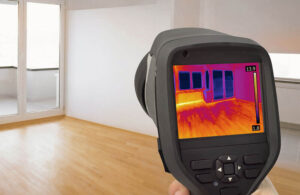
We assess what can reasonably be observed about its condition, including areas such as:
- Walls and ceilings
- Floors
- Roof and roof spaces where accessible
- Windows and doors
- Plumbing fixtures
- Visible electrical installations
- Drainage
- Signs of water intrusion
- Dampness and moisture
- Mold and indoor environmental concerns
- Finishes and workmanship
- Ventilation
- Visible defects and deterioration
The goal is simple:
To help you understand what you are actually buying.
2. “What If the House Has Hidden Defects?”
A property can look perfect during a viewing and still have problems.
Fresh paint can conceal previous water damage.
Beautiful ceilings can hide signs of roof leakage.
New cabinets can conceal moisture around plumbing.
A newly completed apartment can still have poor drainage, inadequate ventilation or finishing defects.
Some problems may not be obvious to an ordinary buyer.
This is particularly important with newly built homes.
New does not automatically mean defect-free.
A professional inspection can identify observable defects and potential areas of concern before you commit to the property or take possession.
For diaspora investors, this can be particularly valuable because travelling back to Kenya to inspect every property personally may not be practical.
3. “Should I Inspect a New House?”
Yes.
One of the biggest misconceptions in property investment is that a newly constructed house does not require inspection.
In reality, a new property may benefit significantly from a pre-purchase, pre-handover or snagging inspection.
Construction involves multiple contractors, materials and systems.
Defects can occur during:
- Masonry

- Roofing
- Plumbing
- Electrical installation
- Tiling
- Waterproofing
- Painting
- Joinery
- Drainage
- External works
Some defects may become expensive to correct once you have already completed the purchase and moved in.
A property inspection before handover gives you an opportunity to identify issues while responsibility for correcting them may still lie with the developer or contractor.
4. “What Should I Check Before Buying an Apartment in Kenya?”
Apartments require a slightly different approach from standalone homes.
A buyer should not only consider the appearance of the individual unit.
You should also pay attention to observable issues involving:
Inside the apartment
- Dampness and moisture
- Mold growth
- Cracks
- Water stains
- Plumbing fixtures
- Drainage
- Windows
- Doors
- Ventilation
- Kitchen cabinets
- Bathrooms
- Ceilings
- Flooring
- Finishes
Around the building
Where accessible and within the scope of inspection, attention may also be given to:
- Common areas
- Drainage
- External walls
- Roof areas
- Water management
- Signs of water ingress
- General maintenance concerns
This matters because an apartment is not an isolated structure.
The condition of shared building components can affect the long-term experience and cost of ownership.
5. “How Do I Know If a Property Is Worth the Asking Price?”
A property inspection is not the same as a valuation.
An inspection answers:
“What condition is this property in?”
A valuation answers:
“What is this property worth in the market?”
However, an inspection can give you information that is extremely useful when making an investment decision.
Imagine you are considering two similar apartments.
Property A looks attractive but has significant plumbing, moisture and finishing concerns.
Property B is slightly more expensive but appears to be in substantially better condition.
The difference may affect your actual investment cost.
A cheap property can become expensive when you add:
Purchase price + repairs + maintenance + replacement costs + management costs.
This is why diaspora investors should consider the total cost of ownership, not simply the advertised purchase price.
6. “Can Someone Inspect the Property for Me While I Am Abroad?”
Yes.
This is one of the most practical reasons to use an independent inspection company.
Instead of relying solely on a relative, friend or agent, you can appoint an independent professional to physically assess the property and document the findings.
The inspection can provide you with:
- Photographic evidence
- Identified defects
- Areas requiring attention
- Maintenance concerns
- Moisture-related observations
- General condition observations
- Recommendations for further investigation where necessary
This gives you something much more useful than a WhatsApp message saying:
“The house is fine.”
You receive a structured assessment that you can review remotely.
7. “What About Buying Property Off-Plan?”
Off-plan property can be attractive because buyers may enter a development before completion.
But it also creates a different set of questions.
Before committing, consider:
- Who is developing the project?
- What exactly is included in the purchase?
- What specifications were promised?
- What is the expected completion timeline?
- What happens if specifications change?
- How will defects be addressed?
- What will the finished property actually look like?
- Who will independently inspect the completed unit before handover?
For an off-plan purchase, an inspection becomes particularly important before handover.
The property should be assessed against the agreed specifications and the condition that is actually presented to the buyer.
8. “How Do I Know If There Are Moisture or Mold Problems?”
This is an increasingly important question for property buyers.
A property may have visible signs such as:
- Musty smells
- Bubbling paint
- Water stains
- Peeling paint
- Damp walls
- Discolouration
- Mold growth
But moisture problems are not always immediately visible.
Bathrooms, kitchens, wardrobes, cabinets and areas around windows and plumbing can be particularly important areas to investigate.
For buyers, the important question is not simply:
“Is there mold?”
It is:
“Why is moisture accumulating here?”
If the underlying moisture source is not addressed, simply cleaning or repainting the affected area may not solve the problem.
9. “What If I Am Buying a House to Rent Out?”
Diaspora investors often purchase property with rental income in mind.
In this case, you are not simply buying a home.
You are buying an income-generating asset.
Its condition can directly influence:
- Tenant satisfaction
- Maintenance costs
- Vacancy periods
- Repair expenses
- Long-term property performance
Before purchasing, consider whether the property is likely to create avoidable maintenance problems.
A professional inspection can help you identify visible defects and maintenance concerns before they become your responsibility.
10. “Can I Inspect a Property Before Renting It?”
Property inspection is not only for buyers.
Tenants can also benefit.
Before signing a long-term lease, an inspection can help identify existing issues such as:
- Dampness
- Mold
- Plumbing problems
- Poor drainage
- Water damage
- Defective finishes
- Ventilation concerns
- Visible electrical issues
- Defects around windows and doors
This is particularly important because tenants may otherwise move into a property and later be blamed for problems that existed before occupancy.
For landlords, a professional condition assessment can also establish a documented baseline before a tenant moves in.
11. “Do I Really Need an Inspection If My Lawyer Is Handling the Purchase?”
Yes — because your lawyer and your property inspector have different roles.
A lawyer can assist with legal and transactional due diligence.
An inspector assesses the physical condition of the property within the agreed inspection scope.
For example, an official land search can establish ownership information and registered encumbrances. The State Department for Lands also provides survey search services that can help verify boundaries, beacons and survey information.
Neither of those processes tells you whether:
- The bathroom has poor ventilation
- The roof is showing signs of leakage
- There is moisture around the kitchen sink
- Finishes are defective
- A wall shows signs of dampness
- There are visible construction defects
A safe property purchase requires the right professionals doing the right jobs.
12. What Should Diaspora Investors Ask Before Buying Property in Kenya?
Before sending a deposit or completing a purchase, ask:
Ownership and legal questions
Who legally owns the property?
Are there registered charges, cautions or restrictions?
Has an official search been conducted?
Are the property documents consistent with the property being sold?
The State Department for Lands identifies the official search as an important tool for confirming ownership and identifying encumbrances.
Physical property questions
What condition is the property actually in?
Are there visible structural or construction concerns?
Are there signs of water intrusion or dampness?
Are the plumbing and drainage systems functioning as expected?
Are there defects that need to be corrected before occupation?
Investment questions
What repairs will I need to make after purchase?
What maintenance costs could I face?
Is the property suitable for my intended use?
What am I likely to spend beyond the purchase price?
Management questions
Who will manage the property while I am abroad?
Who will handle maintenance?
Who will verify the property before I take possession?
These questions can turn a property purchase from an emotional decision into a more informed investment decision.
Why Diaspora Investors Choose Independent Property Inspection
The biggest advantage of an independent inspection is perspective.
The seller wants to sell.
The agent wants to close the transaction.
The developer wants to hand over the project.
Your family member may simply want you to have a home.
But the inspector’s role is different:
To assess the property and report what can be observed within the agreed inspection scope.
At JZZ Eco Homes, our goal is to help buyers understand the condition of a property before making decisions that could affect them financially for years.
JZZ Eco Homes: Property Inspection in Kenya for Diaspora Investors
Whether you are:
- Buying your first home in Kenya
- Purchasing an apartment
- Investing in rental property
- Buying a newly built house
- Taking possession of an off-plan development
- Renting a property
- Returning to Kenya after years abroad
- Building a home remotely
- Preparing an existing home for sale
JZZ Eco Homes can help you assess the property before you commit.
Our approach is designed for buyers who need an independent view of the property — particularly those who cannot be physically present for every stage of the transaction.
Because when you are investing from abroad, distance should not mean making decisions blindly.
Before You Buy Property in Kenya, Inspect What You Are Buying
A beautiful listing is not enough.
A property viewing is not enough.
And a trusted recommendation is not always enough.
Property is one of the biggest investments most people will make.
Before you commit your money, understand the property you are buying.
Verify the documents.
Inspect the property.
Understand the risks.
Know what may require attention.
And make your investment decision with better information.
Investing in Kenya from abroad?
Let JZZ Eco Homes inspect the property before you make the commitment.
JZZ Eco Homes — Independent Property Inspection & Eco-Home Advisory in Kenya.
Property inspection is a physical/technical assessment and does not replace legal conveyancing, land searches, valuation, structural engineering or other specialist professional services where these are required.