

The Complete Home Inspection Checklist for Buying Property in Nairobi, Kenya
Buying a home or apartment in Nairobi is a major investment. Before you sign, pay a deposit or commit your savings, make sure you know what you are actually buying.
A property can look perfect during a viewing.
Fresh paint.
Beautiful kitchen.
New tiles.
Modern bathroom.
Great natural light.
But some of the most expensive property problems are not immediately visible.

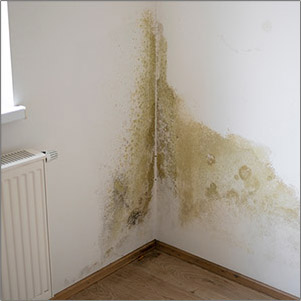
Moisture can be trapped behind walls. Plumbing can leak inside cabinets. Poor bathroom waterproofing can remain hidden until months after occupation. Roof and drainage problems may only become obvious during heavy rain. Poor ventilation can eventually lead to condensation and mould.
This is why a professional pre-purchase property inspection is one of the most important steps you can take before buying a home in Nairobi.
At JZZ Property Inspection, our approach goes beyond asking whether a property looks good. We assess the condition of the property, identify potential defects and moisture risks, and provide an independent report to help you make a more informed decision.
Here is our practical home inspection checklist for property buyers in Nairobi.
1. Start With the Exterior
Before walking through the beautiful interiors, look at the building from the outside.
The exterior can tell you a lot about how a property manages water, weather and drainage.
Look for:
-
Cracks on external walls
-
Peeling or deteriorating exterior paint

-
Water stains
-
Signs of previous repairs
-
Damaged or poorly positioned gutters
-
Downpipes discharging too close to the building
-
Standing water around the property
-
Poor drainage
-
Soil erosion
-
Damp patches near the base of walls
-
Vegetation growing against walls
-
Areas where rainwater may collect
In Nairobi, drainage deserves particular attention.
A property may look completely fine during a sunny viewing but experience serious water problems during heavy rainfall if water is not properly directed away from the building.
Do not only inspect the house. Inspect how water moves around the house.
2. Inspect the Roof and Ceiling
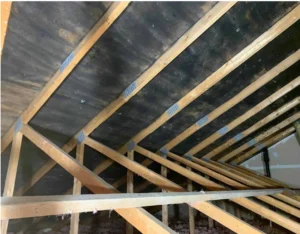
The roof is one of the property’s first lines of defence against water.
Where accessible, check for:
-
Damaged roofing materials
-
Rust or deterioration
-
Poor flashing
-
Damaged gutters
-
Blocked drainage channels
-
Water stains on ceilings
-
Bubbling or peeling ceiling paint
-
Damp patches
-
Previous repair work
-
Signs of water penetration
Inside the property, look carefully at ceilings—particularly around bathrooms, balconies, roof junctions and external walls.
A freshly painted ceiling does not necessarily mean there has never been a leak.
Sometimes, paint is simply covering evidence of an older problem.
3. Look Carefully at Walls and Cracks
Not every crack means a building is structurally unsafe.
However, cracks should not simply be ignored.
During an inspection, look at:
-
Horizontal cracks
-
Vertical cracks
-
Diagonal cracks
-
Cracks around windows and doors
-
Cracks that appear to be widening
-
Cracks accompanied by dampness
-
Cracks that have been filled or recently painted
-
Separation between walls and ceilings
The important question is not simply:
“Is there a crack?”
It is:
“Why is the crack there, and does it indicate a problem that requires further investigation?”
A professional inspection helps distinguish ordinary cosmetic defects from issues that deserve greater attention.
4. Check for Hidden Moisture and Dampness
This is one of the areas buyers often overlook.
A wall can appear dry while still having elevated moisture conditions.
Look for:
-
Bubbling paint
-
Peeling paint
-
Discolouration
-
Brown or yellow staining
-
Soft or damaged wall finishes
-
Damp smells
-
Swollen skirting boards
-
Swollen cabinetry
-
Dark patches
-
Mould growth
-
Repeated repainting
Moisture may originate from several sources, including:
-
Plumbing leaks
-
Roof leaks
-
Poor waterproofing
-
Bathroom condensation
-
External water penetration
-
Poor drainage
-
Leaking windows
-
Failed seals and joints
At JZZ Property Inspection, moisture assessment forms an important part of our inspection approach because identifying the source or risk of moisture can be more valuable than simply identifying visible mould or damaged paint.
5. Don’t Ignore Mould or Musty Smells
If you walk into a property and notice a strong musty smell, pay attention.
Do not assume that opening the windows or repainting the room will solve the problem.
Mould can be associated with persistent moisture, condensation, poor ventilation or water intrusion.
Check areas such as:
-
Behind wardrobes
-
Around bathroom ceilings
-
Under kitchen sinks
-
Around windows
-
Behind furniture
-
Inside cabinets
-
Around plumbing points
-
On walls adjoining bathrooms
-
In poorly ventilated rooms
Visible mould is important, but the conditions allowing mould to grow are even more important.
A property with recurring moisture problems may continue developing mould even after the visible growth has been cleaned.
6. Pay Special Attention to Bathrooms
Bathrooms are one of the most important areas to inspect before buying a property.
Look at:
-
Shower areas
-
Floor-to-wall joints
-
Silicone seals

-
Grout
-
Bathroom ceilings
-
Shower screens
-
Floor drainage
-
Water pressure
-
Toilets and sinks
-
Plumbing connections
-
Signs of previous leaks
-
Ventilation
Poor waterproofing can become an extremely expensive problem once a property is occupied.
Pay particular attention to walls adjoining bedrooms, wardrobes and other rooms.
A bathroom may look beautiful on the day of viewing while moisture is already affecting the adjoining wall.
7. Inspect the Kitchen and Cabinets
The kitchen can reveal plumbing problems that are not immediately obvious elsewhere.
Open the cabinets underneath sinks.
Look for:
-
Swollen MDF
-
Water stains
-
Dampness
-
Mould
-
Damaged silicone
-
Corrosion
-
Plumbing leaks
-
Soft cabinet boards
-
Musty smells
This is a simple check, but it can reveal problems that would otherwise remain hidden.
A beautiful kitchen does not necessarily mean the plumbing underneath it is in good condition.
8. Check Windows, Doors and Ventilation
Good ventilation is essential for a comfortable and healthy home.
Check:
-
Whether windows open properly
-
Whether windows close and seal properly
-
Signs of water entering around window frames
-
Condensation
-
Bathroom ventilation
-
Kitchen ventilation
-
Cross-ventilation
-
Rooms with little or no natural airflow
Pay particular attention to bathrooms and bedrooms.
Poor airflow can contribute to persistent humidity and condensation, particularly in areas where hot showers generate significant moisture.
9. Check Plumbing
Plumbing defects can become expensive very quickly.
During a property inspection, look for:
-
Visible leaks
-
Dripping taps
-
Leaking toilet connections
-
Water pressure problems
-
Slow drainage
-
Water stains
-
Corroded pipes
-
Damp cabinets
-
Signs of previous plumbing repairs
Run taps and check drainage where possible.
Do not assume that because the bathroom looks new, the plumbing installation is necessarily good.
10. Inspect Electrical Systems
Electrical issues should never be treated as purely cosmetic.
Look for:
-
Damaged sockets
-
Loose switches
-
Exposed wiring
-
Overloaded extension points
-
Damaged electrical panels
-
Signs of overheating
-
Poorly installed fittings
-
Non-functional lights
Where specialist electrical testing is required, this should be carried out by a suitably qualified electrical professional.
A property inspection should identify visible concerns and recommend further specialist investigation where necessary.
11. Check Floors, Tiles and Finishes
Look carefully at the finishes—not simply whether they look attractive.
Check for:
-
Cracked tiles
-
Hollow-sounding tiles
-
Uneven flooring
-
Damaged grout
-
Loose skirting
-
Gaps around fixtures
-
Poor finishing
-
Signs of water damage
In bathrooms and wet areas, damaged grout and failed seals can become pathways for water intrusion.
12. Inspect Balconies and External Areas
For apartments and maisonettes, balconies deserve special attention.
Check:
-
Drainage points
-
Floor slope
-
Cracked tiles
-
Failed waterproofing
-
Water staining
-
Railing condition
-
External wall condition
-
Areas where water may collect
A balcony that does not drain properly can eventually contribute to water penetration into the property.
13. If You Are Buying an Apartment, Inspect More Than Your Unit
Apartment buyers sometimes focus entirely on the inside of their unit.
That is a mistake.
Where accessible and relevant, consider:
-
Common-area condition
-
Parking and basement areas
-
External drainage
-
Roof condition
-
Water storage systems
-
Common plumbing
-
Visible water damage
-
Basement dampness
-
Lifts and common facilities
-
General building maintenance
You are not only buying the four walls inside your apartment.
You are also buying into a building and its management environment.
14. Buying a New Apartment? Don’t Assume “New” Means Defect-Free
One of the biggest misconceptions among property buyers is that a new property does not require inspection.
It does.
New construction can have:
-
Poor workmanship
-
Incomplete finishing
-
Plumbing installation defects
-
Waterproofing problems
-
Poor drainage
-
Electrical installation issues
-
Cracking
-
Inadequate ventilation
-
Defective fixtures
-
Moisture risks
Some problems become obvious only after occupation.
A new-build or snagging inspection before handover gives the buyer an opportunity to document defects while the developer or contractor is still responsible for addressing them.
JZZ provides independent new-construction and snag inspections designed to identify issues before they become expensive post-handover problems.
15. What About a Property That Has Just Been Repainted?
Be careful.
Fresh paint can make a property look newer and cleaner, but it can also make it harder to identify previous problems.
Look closely at:
-
Recently painted sections
-
Uneven paint texture
-
Areas where only part of a wall appears freshly painted
-
Ceiling patches
-
Paint bubbling
-
Peeling underneath newer layers
-
Damp smells
Fresh paint is not a problem by itself.
But if fresh paint is being used to conceal water damage, mould or other defects, you want to know before you buy.
16. Thermal Imaging Can Reveal What Your Eyes Cannot
Some property problems cannot be identified through visual inspection alone.
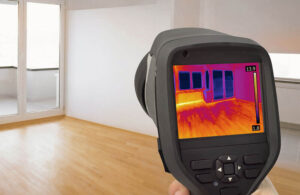
Thermal imaging can help identify temperature differences that may point to areas requiring further investigation.
Depending on the circumstances, thermal imaging may help identify patterns associated with:
-
Moisture intrusion
-
Water leaks
-
Thermal anomalies
-
Areas of heat loss
-
Potential building-envelope issues
However, thermal imaging is not magic.
A thermal image is an investigative tool, not proof of a defect by itself.
The results need to be interpreted alongside visual observations and other inspection findings.
This is why JZZ combines technical tools with professional assessment rather than relying on a single reading.
17. What Does a Professional Property Inspection Give You?
A property viewing tells you what the property looks like.
An inspection should help you understand what condition the property is actually in.
At JZZ Property Inspection, our assessments can include observations relating to:
-
Structural concerns
-
Moisture and dampness
-
Mould risks
-
Roofing
-
Plumbing
-
Electrical systems
-
Ventilation
-
Interior finishes
-
External drainage
-
Construction workmanship
-
Potential maintenance concerns
You also receive a documented report with photographs and recommendations, allowing you to understand the findings and decide what should happen next.
18. Should You Inspect Before or After Paying?
Ideally, before making an irreversible financial commitment.
The best time to identify a major defect is before you become responsible for it.
An inspection can help you:
Negotiate repairs
If defects are identified, you can discuss repairs with the seller or developer.
Reconsider the purchase
Some defects may be serious enough to change your decision.
Budget accurately
If you decide to proceed, you have a better understanding of potential maintenance costs.
Document the property’s condition
A professional report creates a useful record of the property’s condition at the time of inspection.
Buy with greater confidence
Most importantly, you know more about the property before committing your money.
19. A Simple Nairobi Property Inspection Checklist
Before buying, ask yourself:
Exterior
-
Is the drainage adequate?
-
Are there signs of water intrusion?
-
Is the exterior showing deterioration?
Roof
-
Are there signs of leaks?
-
Are gutters and drainage functioning?
Walls & ceilings
-
Are there cracks?
-
Are there damp patches?
-
Is there bubbling or peeling paint?
Bathrooms
-
Is there adequate ventilation?
-
Are there leaks?
-
Is waterproofing a concern?
-
Is there mould or persistent condensation?
Kitchen
-
Are the cabinets dry?
-
Are there leaks beneath the sink?
-
Is there mould or swelling?
Plumbing
-
Are pipes leaking?
-
Do fixtures drain properly?
Electrical
-
Are sockets and switches functioning?
-
Are there visible electrical hazards?
Windows & doors
-
Do they open, close and seal properly?
-
Are there signs of water penetration?
Ventilation
-
Does the property have adequate airflow?
-
Are bathrooms and kitchens properly ventilated?
Apartment/common areas
-
Is the building well maintained?
-
Are there signs of dampness in common areas?
-
Is drainage adequate?
If you find several warning signs, consider getting a professional inspection before proceeding.
20. What a Home Inspection Does NOT Replace
A property inspection is an important part of due diligence, but it is not the same thing as every other form of property verification.
Depending on the property and transaction, you may also need professional advice relating to:
-
Land ownership and title
-
Legal documentation
-
Valuation
-
Structural engineering
-
Electrical certification
-
Plumbing
-
Planning and approvals
-
Financing
-
Property management
A good property-buying process uses the right professional for each area of risk.
Buying Property in Nairobi? Inspect Before You Invest.
A property may be one of the largest purchases you ever make.
Don’t let beautiful finishes make you overlook the things that could cost you later.
Before buying a house, apartment or investment property in Nairobi, get an independent assessment of its condition.
At JZZ Property Inspection, we help buyers, investors, developers and diaspora clients understand what they are buying through detailed property inspections, moisture and mould assessments, thermal imaging and photo-documented reports.
Whether you’re buying your first apartment in Nairobi, investing in a rental property, purchasing a new development or buying from abroad, an independent inspection can give you something a viewing cannot:
clarity before commitment.
Ready to inspect the property?
Book a JZZ Property Inspection before you buy.
📞 Call/WhatsApp: +254 726 062218
📧 info@jzzecohomes.com
🌐 JZZ Property Inspection
Your property may look perfect. Let’s find out what you can’t see.
Frequently Asked Questions
How much does a home inspection cost in Nairobi?
The cost depends on the size, type and scope of the property inspection. A professional inspection should be priced according to the level of assessment required rather than simply the number of rooms.
Is a home inspection necessary when buying an apartment?
Yes. Apartments can have hidden plumbing, moisture, ventilation, finishing and construction defects that may not be obvious during a normal viewing.
Should I inspect a newly built house?
Yes. New properties can still have workmanship, waterproofing, drainage, plumbing, electrical and finishing defects. A snag inspection before handover can help identify these issues while they can still be addressed.
Can a home inspection detect mould?
A property inspection can identify visible mould and conditions that may support mould growth, such as moisture, dampness and poor ventilation. Where necessary, additional specialist mould testing may be recommended.
What is the difference between a property viewing and a professional inspection?
A viewing is primarily about deciding whether you like the property. A professional inspection is about identifying defects, risks and maintenance concerns that may affect the property’s condition and your investment.
Should diaspora buyers get a property inspection?
Absolutely. An independent inspection can be particularly valuable when you cannot physically visit the property yourself. JZZ provides photo-documented inspection reports to help diaspora buyers understand the condition of property in Kenya before committing to a purchase.
How quickly can I receive my inspection report?
JZZ currently states that inspection reports are typically delivered within 24–48 hours, depending on the service and inspection requirements.
JZZ Property Inspection — Reveal What Others Overlook.
Independent. Detailed. Evidence-based.